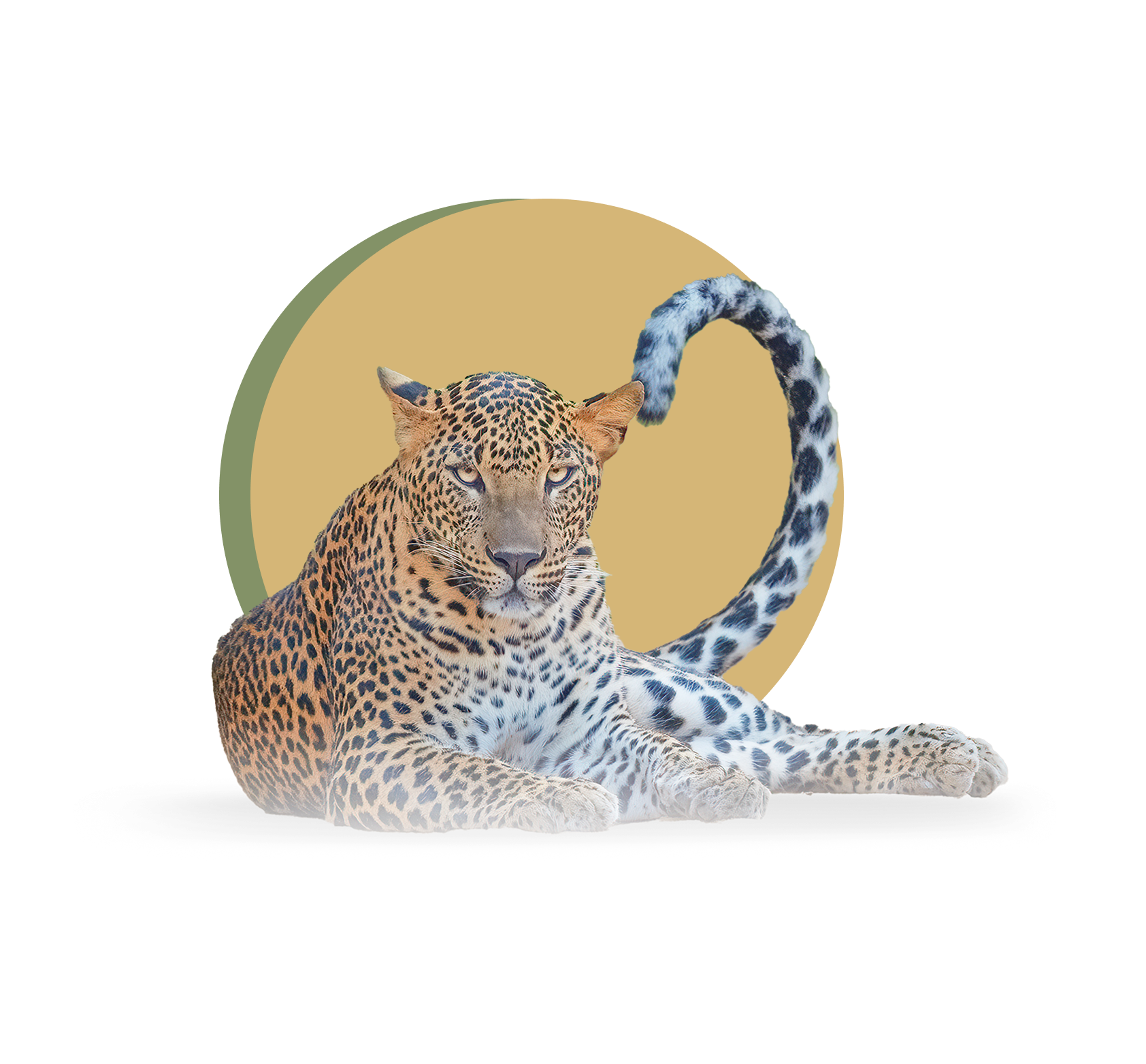
A safari in Yala National Parkis an unforgettable journey into the wild heart of Sri Lanka. As your jeep moves through golden grasslands, dense forests, and peaceful lagoons, every moment is filled with excitement and wonder.
Yala is world-famous for having one of the highest densities of Sri Lankan leopard in the world, giving you a rare chance to witness this majestic predator in its natural habitat. You may also encounter large herds of Sri Lankan elephant, graceful spotted deer, wild boars, crocodiles resting by the water, and colorful peacocks dancing in the sunlight.
With over 200 species of birds, Yala is also a paradise for bird lovers. From the early morning sunrise to the golden hues of sunset, every safari drive offers breathtaking scenery and thrilling wildlife encounters.
A Yala safari is more than just a tour it’s a true adventure into nature, where every turn brings a new discovery.
The Sri Lankan Leopard
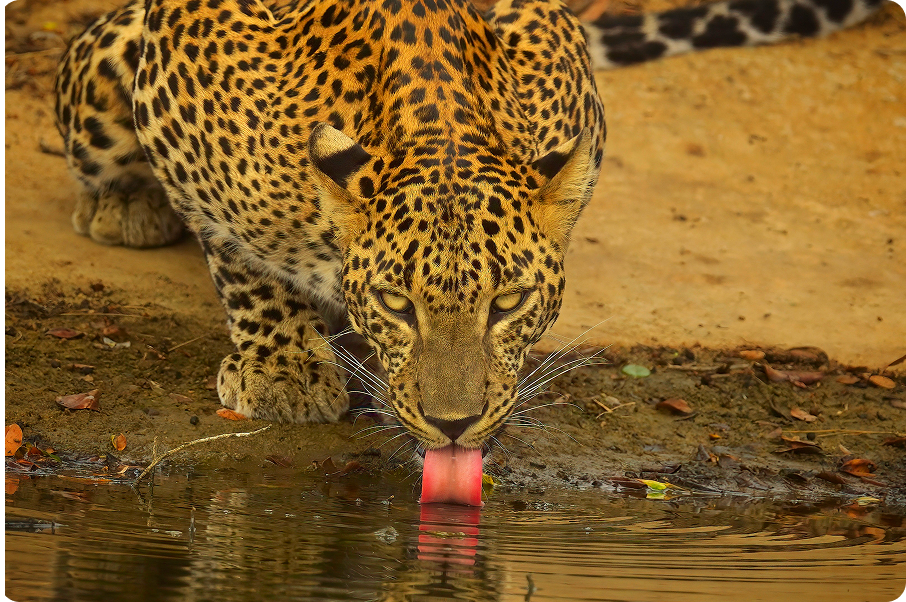
The Sri Lankan leopard is the true king of Yala. As one of the world’s most densely populated leopard habitats, Yala offers a rare opportunity to see this magnificent predator in the wild. Leopards are usually spotted resting on tree branches, walking confidently along jungle paths, or hunting during early morning and late afternoon hours.

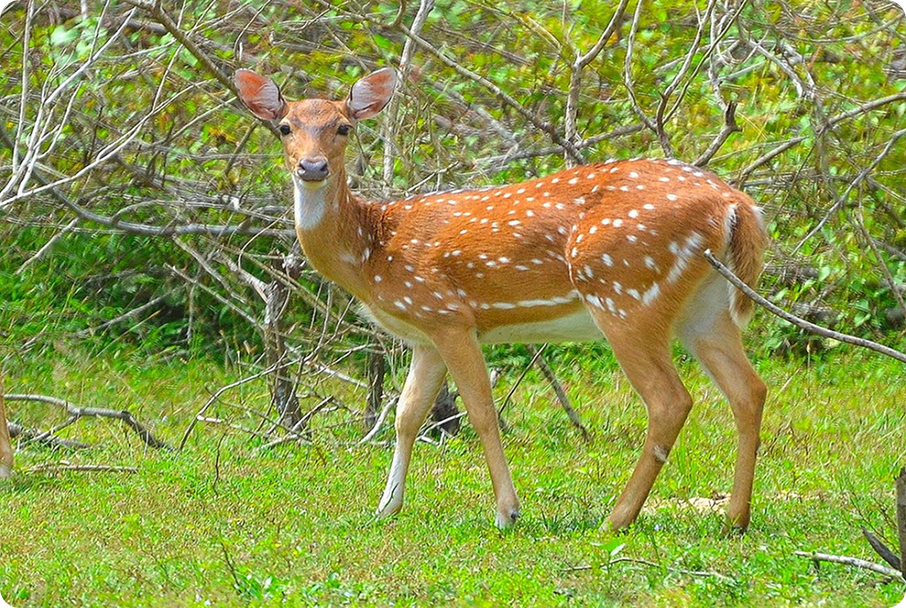
Spotted Deer
The graceful spotted deer, also known as chital, are commonly seen grazing in open grasslands. Their golden coats with white spots make them easy to recognize. They often move in large groups and are an important part of the park’s ecosystem.

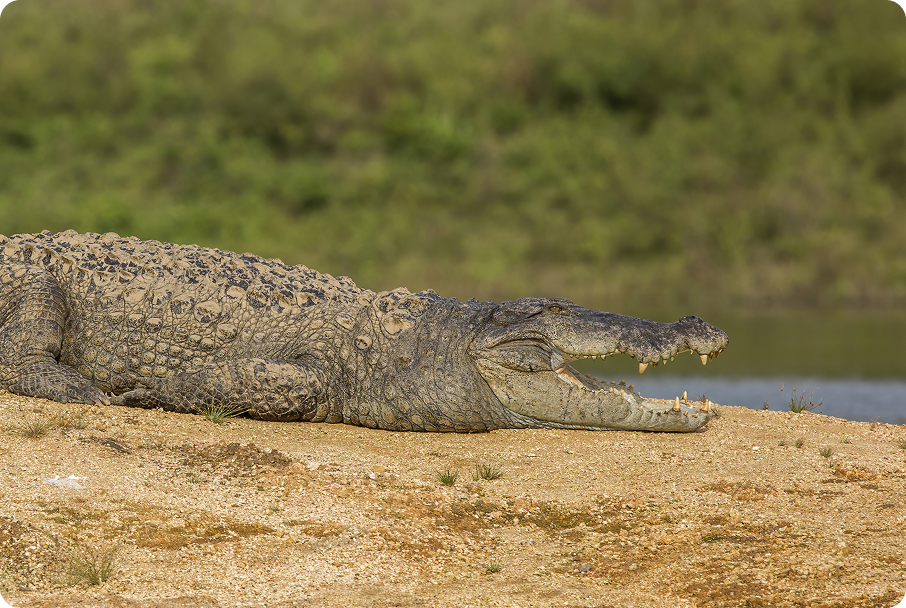
Mugger Crocodile
The powerful mugger crocodile can be spotted resting near lakes and riverbanks. They remain very still, blending into their surroundings, but are highly skilled predators in the water.

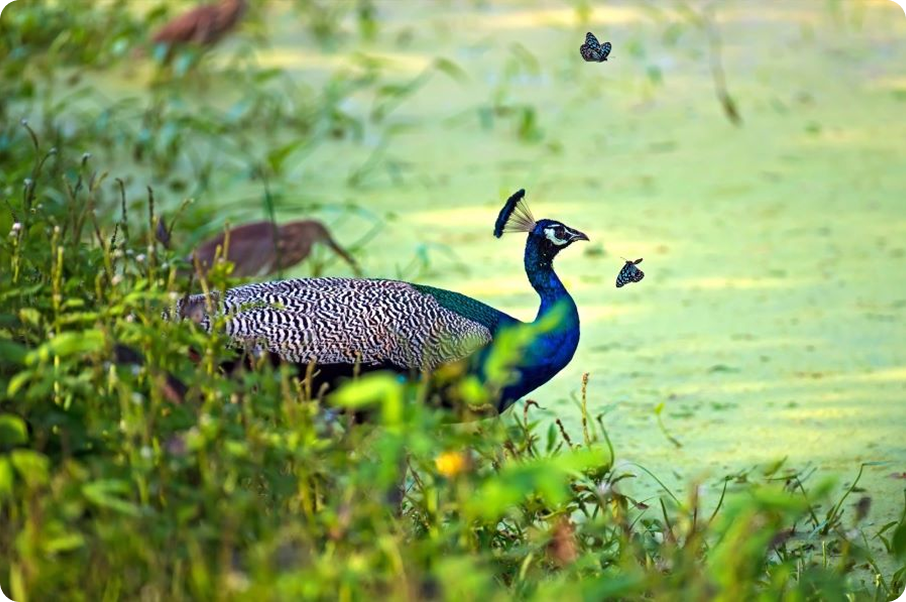
Indian Peafowl
The colorful Indian peafowl (peacock) is one of the most photographed birds in Yala. Males display their beautiful feathers during courtship, creating a spectacular natural show.

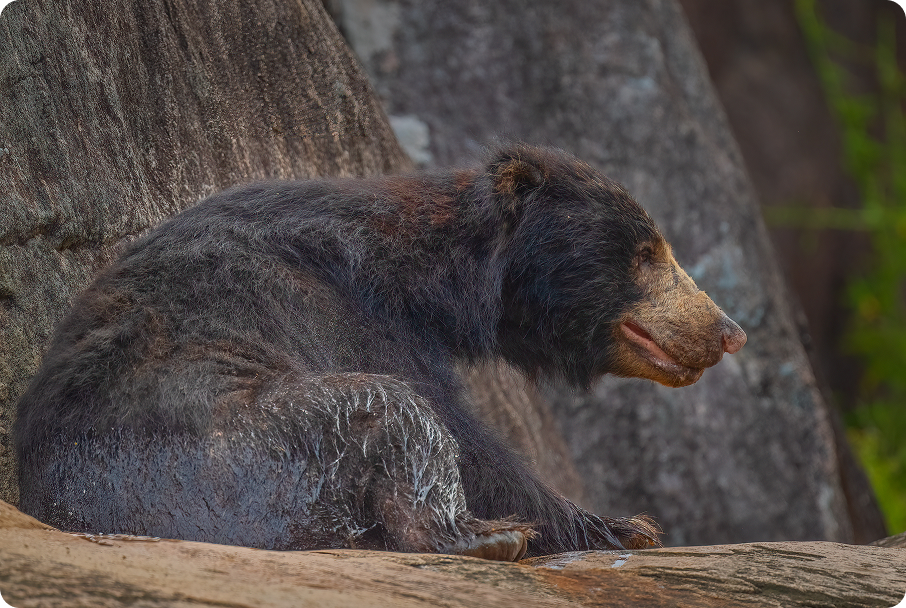
Sloth Bear
The rare Sri Lankan sloth bear is another exciting sighting in Yala. These shy bears are mostly active during certain seasons, especially when feeding on fruits like palu.